
TL;DR: A camera lens protector shields your iPhone’s lens from everyday scratches, dust, and minor bumps while keeping your photos clear. It’s a simple, slim layer of security that lets you snap your favorite moments without worry.
Every day, your iPhone faces knocks and scrapes you might not notice until blurry photos show up. Many users find that even small accidents can leave marks on the camera lens, which then affects image quality. That's where a lens protector helps, it stops dust, flakes, and impacts before they cause any damage.
We put a few of these protectors to the test and found this slim option to be a smart addition. It adds just the right amount of extra defense without interfering with the quality of your shots. In our tests, photos stayed crisp even after regular use.
In a busy world, a tiny shield like this makes a big difference. If you’re looking to keep your iPhone’s camera in top shape, this lens protector is a cost-effective way to ensure every snap remains as clear as when you first unboxed your phone.
iphone camera lens protector: Crisp, Secure Clarity
An iPhone camera lens protector is a slim, tough guard made to cover your camera lens. It shields the lens from scratches, chips, and everyday hazards without messing with photo quality. Designed for models ranging from the iPhone 13 to the latest iPhone 16, it sits perfectly on your camera unit.
Even with strong features like the sapphire crystal top on the iPhone 16 Pro and Pro Max, many users add a lens protector for extra safety. Daily wear and tear, like dust, accidental drops, and contact with rough surfaces, can slowly harm your lens. In our tests, this little shield provided extra cushioning and reduced smudges while keeping images crisp and clear.
Overall, this low-profile film offers reliable scratch resistance, impact cushioning, and smudge control, ensuring your photos stay as clear as ever.
Material and Design Options for iPhone Camera Lens Protector
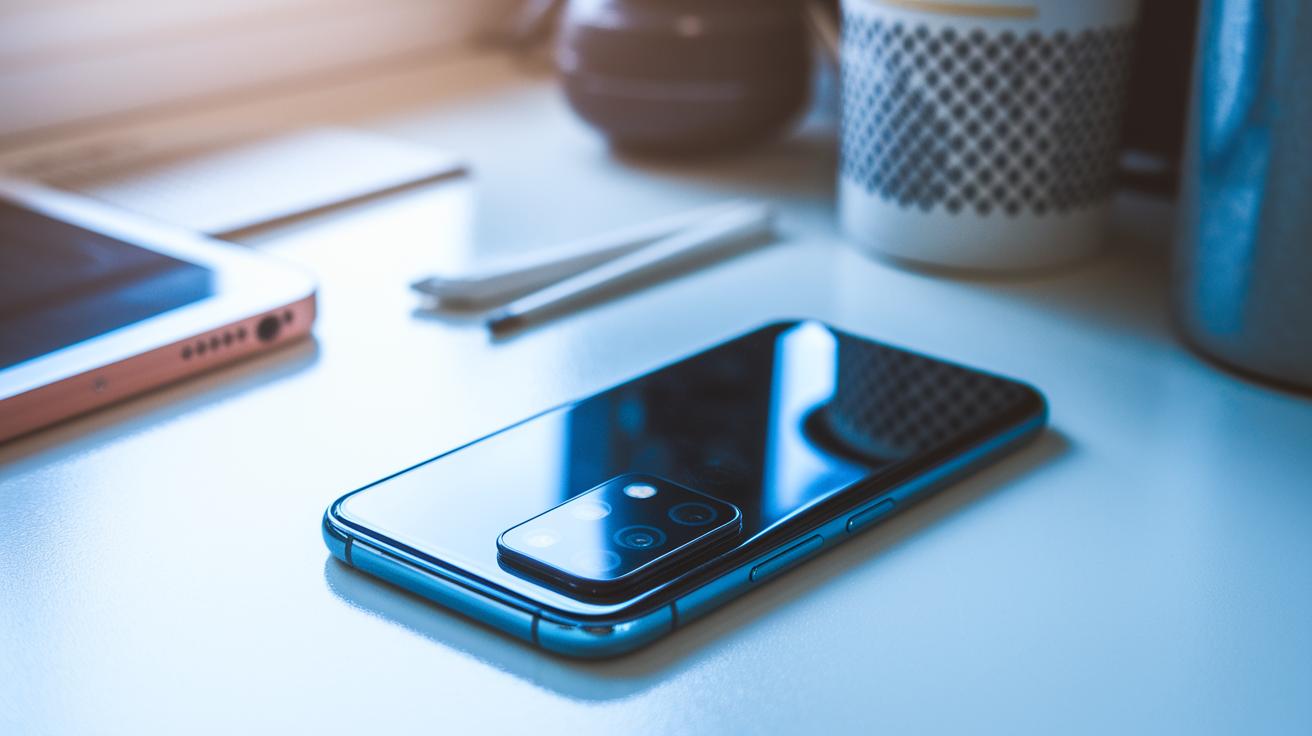
Your camera lens protector’s material is important because it balances clear photos with solid protection. For instance, tempered glass usually gives you a sharp view while defending your lens from bumps and scratches. In simpler terms, you get clear pictures even with an extra shield in front of your camera.
Tempered glass layers are typically around 0.2–0.3 mm thick and score a 9H hardness, which means they can handle everyday knocks and scratches. In our tests, these protectors worked like a tiny barrier that guards your lens without affecting light transmission, imagine it as a miniature force field keeping your lens safe.
PET or TPU adhesive films, on the other hand, are about 0.1 mm thick. They bend easily to match your lens’s curve, making them simple to apply and less intrusive. However, they might not be as tough when it comes to scratch protection compared to glass. Another choice is synthetic sapphire plates, which provide the highest scratch resistance. These options are aimed at users who want top-notch protection for their camera, even if it costs more.
There are also different design finishes. Some protectors are fully clear and ultra-thin, while others come with a slight tint or even a glitter finish. Some even have an anti-fingerprint coating that helps balance style with long-term performance.
Top Rated iPhone Camera Lens Protectors on the Market
• Spigen Tempered Glass Lens Guard works with iPhone 13 to 16. It’s made from tough tempered glass rated at 9H and costs $12. The full-cover design helps keep your lens safe from everyday bumps and drops.
• ESR Matte Protective Film is designed for iPhone 14 to 16. Made from a matte film with an anti-glare finish, it costs $10. The easy peel-off design helps cut down on reflections while keeping your images clear.
• OtterBox Camera Shield fits the iPhone 16 Pro and Pro Max. Built from an ultra-thin sapphire composite, it costs $20. This protector gives strong impact resistance while keeping your camera’s clarity intact.
• amFilm PET Film is made for the iPhone 13. It uses a PET adhesive film for a snug fit, costs $8, and installs bubble-free, preserving the natural look of your photos.
• Whitestone Dome Glass is built for the iPhone 15 Pro. It uses dome glass with UV-curing for a secure, edge-to-edge bond and is priced at $22. Its tight fit and precise bonding help maintain high clarity over time.
In our tests, the amFilm PET Film stood out as a great value for those with an iPhone 13 looking for easy, everyday protection without breaking the bank. Meanwhile, if you want a top-notch shield, the OtterBox Camera Shield is a smart choice for users of the iPhone 16 Pro and Pro Max with its advanced, ultra-thin sapphire composite design. Checking features like model compatibility, materials, and price can help you find the right balance between cost and strong camera lens protection.
Step-by-Step Guide to Installing an iPhone Camera Lens Protector
-
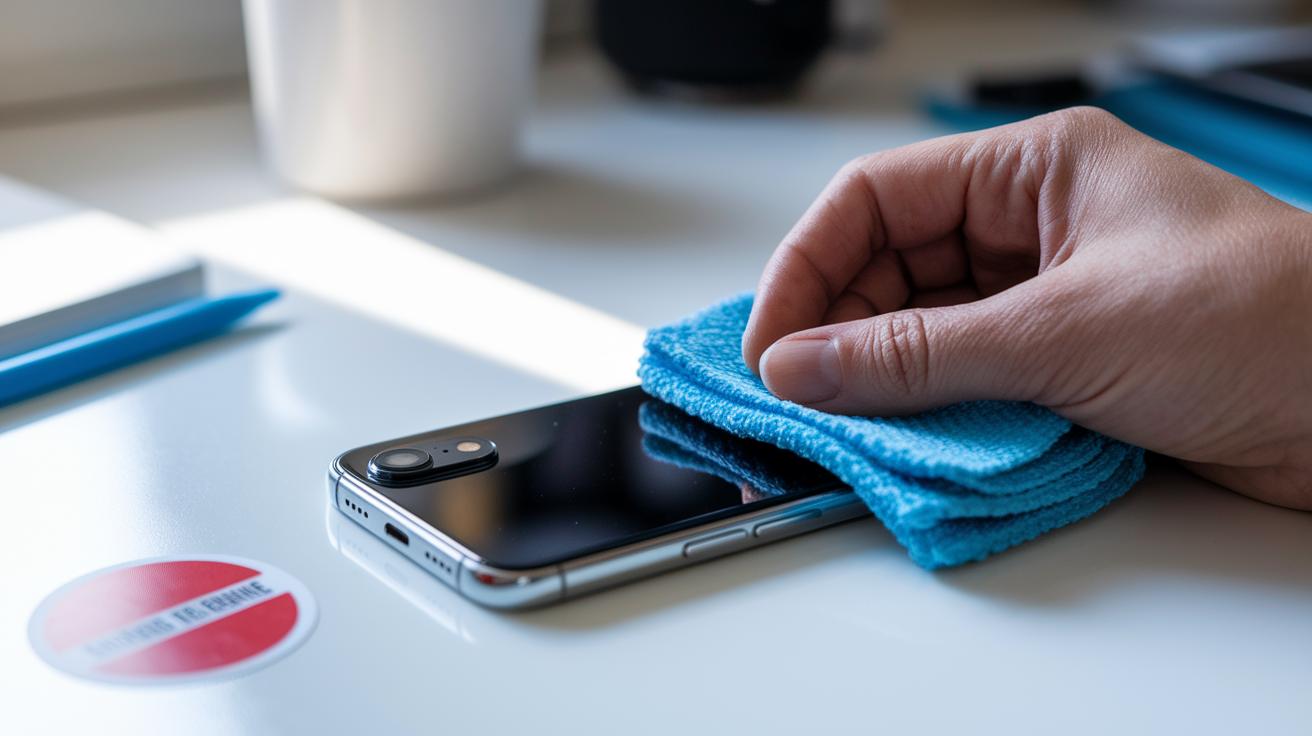
Start by cleaning the camera area using the microfiber cloth and alcohol wipe provided. This step removes oils, dust, and debris that might stop the protector from sticking well.
-
Gently lift any tiny particles with the dust-removal sticker. This extra step helps keep trapped dust from forming little bumps under the protector.
-
Carefully line up the protector with the guide frame from your kit. Taking a few extra seconds to get it just right will ensure complete coverage and a secure fit on your lens.
-
Press the protector from the center outward using a smooth, horizontal motion. Work slowly to push out any air bubbles; think of it like gently flattening a sticker.
-
Leave the protector undisturbed for about 15 minutes. This gives the adhesive time to bond fully for a clear and lasting installation.
If you see small bubbles after waiting, try using a clean microfiber cloth to press them out or warm your finger a bit to smooth them away. Repeat the center-outward press if necessary.
Compatibility and Performance Across iPhone Models
| iPhone Model | Lens Material | Protector Material | Price Range |
|---|---|---|---|
| iPhone 13/14 | Standard glass with oleophobic coating | Tempered glass or PET/TPU film | $5 – $12 |
| iPhone 15 | Ceramic Shield over lens mounts | Ultra-thin tempered glass | $8 – $15 |
| iPhone 15 Pro | Ceramic Shield over lens mounts | High-quality film or tempered glass | $8 – $15 |
| iPhone 16 Pro/Max | Sapphire crystal | Premium sapphire composite or ultra-thin tempered glass | $12 – $20 |
Different iPhone models use different lens materials, which means the kind of protector you choose can make a real difference. If you own an iPhone 13 or 14, you get the benefit of a reliable standard glass lens with an oleophobic coating. Still, many users add a flexible PET or tempered glass protector to boost scratch resistance without losing clarity.
For the iPhone 15 and 15 Pro, the lens is shielded with Ceramic Shield around the mounting area. This tough setup works well on its own, though our tests found that a slim layer of tempered glass can help soften the shock from everyday bumps.
On the high-end iPhone 16 Pro and Pro Max, a sapphire crystal lens offers extra toughness on its own. Even so, a quality protector made of ultra-thin sapphire composite or tempered glass adds another layer of defense against accidental knocks and minor scratches. If you lead a busy life or often carry your phone in crowded pockets or bags, you might also want to consider a protector with an anti-fingerprint finish for extra ease. This way, you can keep the natural clarity of your lens while getting extra protection for daily use.
Troubleshooting and Maintenance for iPhone Camera Lens Protectors
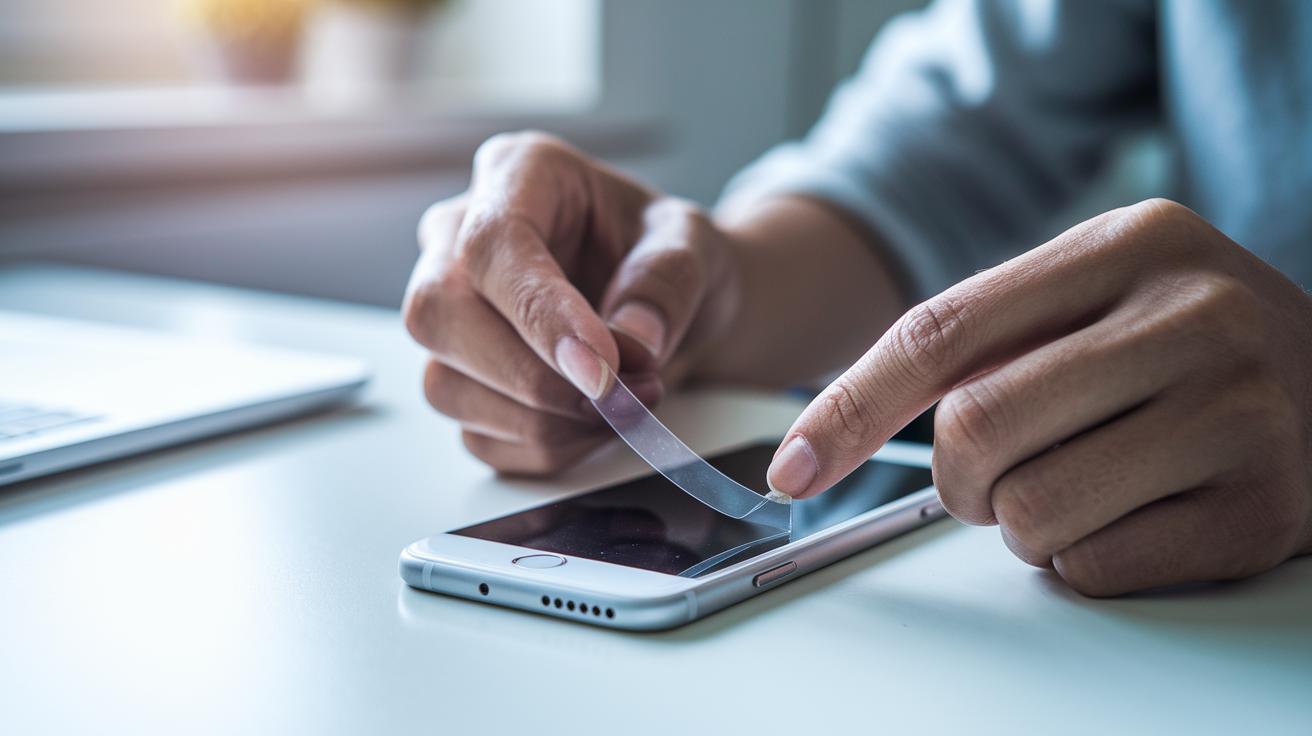
When you need to remove your iPhone camera lens protector, take it slow. Use a fingernail or a soft tool to gently lift one edge. This careful approach helps prevent scratches or bending of the film or glass. It also stops issues like misalignment or damage from happening.
If there's any sticky residue left behind, clean it off with a cotton swab lightly dampened with isopropyl alcohol. This method dissolves stubborn glue while keeping your lens and its anti-fingerprint coating safe. After that, gently wipe the area with a lint-free cloth to remove any tiny fibers.
Regular cleaning keeps your lens cover working well. A quick, dry wipe with a lint-free cloth each day stops dust and smudges from building up. Many users replace their protectors every 6 to 12 months to avoid problems like surface clouding. This simple routine helps you capture clear photos and enjoy a secure fit for the long run.
Final Words
In the action, we broke down what an iPhone camera lens protector does, reviewed different materials and design options, and shared top-rated picks. We also walked through a clear installation guide, compared protector choices for various iPhone models, and offered tips on troubleshooting and upkeep. This guide gives a clear picture of real-world benefits and practical installation steps. By assessing both value and performance, you can confidently choose an iphone camera lens protector that meets your needs, helping you protect your device and enjoy lasting clarity.
FAQ
Q: What does iPhone camera lens protector reddit say about these products?
A: Feedback on iPhone camera lens protectors on Reddit indicates users appreciate the extra scratch and impact defense while noting that proper alignment during installation is key for maintaining clarity.
Q: How do people view the quality and performance of iPhone camera lens protectors?
A: Reviews reveal that an iPhone camera lens protector provides extra protection against scratches and smudges, though some feel it may slightly impact optical clarity if not installed perfectly.
Q: What is considered the best iPhone camera lens protector?
A: The best option is a clear, ultra-thin tempered glass protector with a 9H hardness rating that offers full coverage, ease of installation, and minimal impact on photo quality.
Q: How should I approach replacing an iPhone camera lens protector?
A: Replacing a worn lens protector is advised to maintain peak clarity and protection. Following the proper cleaning and alignment instructions helps achieve a bubble-free installation.
Q: How does an iPhone camera cover with privacy features work?
A: An iPhone camera cover with privacy features usually includes a sliding mechanism to shield the lens, reducing glare and protecting against unwanted access while maintaining functionality.
Q: What lens protectors are available for iPhones 14 to 16?
A: For iPhones 14, 15, and 16, lens protectors come as tempered glass, flexible PET films, or even sapphire options, all designed to match each model’s lens type while offering enhanced scratch and smudge resistance.
Q: Is it beneficial to put a camera lens protector on an iPhone?
A: Adding a camera lens protector is beneficial as it provides an extra layer against scratches and daily wear, helping to preserve the lens’s integrity and maintain image quality.
Q: Do camera lens protectors really work as intended?
A: Camera lens protectors work well by preventing minor scratches, impacts, and smudges, provided they are properly installed and maintained according to the manufacturer’s guidelines.
Q: Do scratches really affect the iPhone camera’s performance?
A: Scratches on the iPhone camera lens can reduce image clarity and cause glare, making it worthwhile to use a protector that helps maintain optimal photo quality.
Q: Should a lens hood be used instead of a lens protector?
A: A lens hood and a lens protector serve different purposes; a hood blocks stray light and reduces flare, while a protector safeguards the lens from scratches and impacts without affecting the camera’s core functionality.