
TL;DR: A good portable charger can make all the difference when you need power on the go. Look for features like battery capacity, port variety, safety measures, and a solid warranty to keep your devices powered up.
Ever been caught out when your device dies at the worst moment? We have a simple checklist that cuts through the useless details and tells you what really matters. Start with the battery capacity; this tells you how long the charger will keep your devices running. Next, check the different port options to make sure you can charge all your gear.
Safety features are another must-have. Look for chargers that include overcharge protection and other safeguards. And don’t forget to see what warranty is offered. This shows the manufacturer's confidence in their product and keeps you worry-free after your purchase.
With these points, you can make a smart choice and never worry about being left with a dead battery again.
Essential Portable Charger Buying Checklist
Choosing a portable charger is easier when you have a clear checklist that covers all the important points. This straightforward guide helps you avoid surprises later by making sure you consider each key factor. For more detailed tips, you can also check out the tech buyer checklist at https://getitreviews.com?p=1577.
Here are the main factors to keep in mind:
- Battery capacity between 5,000 and 25,000 mAh
- Fast-charge support from 5 W up to 140 W
- A mix of port types, like USB-A and USB-C
- How quickly it recharges (input speed)
- Quality of materials used
- Safety features, backed by certifications such as UL, CE, and FCC
- Compatibility with your devices
- The trade-off between size and weight
- Warranty details provided by the manufacturer
- Price range or tier
This checklist helps you cut through the clutter by focusing on everyday performance. For example, a charger with about 5,000 mAh is great for light, daily use, while larger capacities work better for long trips or multiple charges. Fast charging will matter if your device supports it, and having a range of ports means you can power several gadgets. Checking the input speed and build quality minimizes wait times and protects your investment. Also, consider the battery’s cycle life and warranty for long-term peace of mind. This guide offers a simple way to compare models so you can choose a portable charger that meets your needs without any unnecessary compromises.
Capacity Considerations: mAh and Charge Cycles
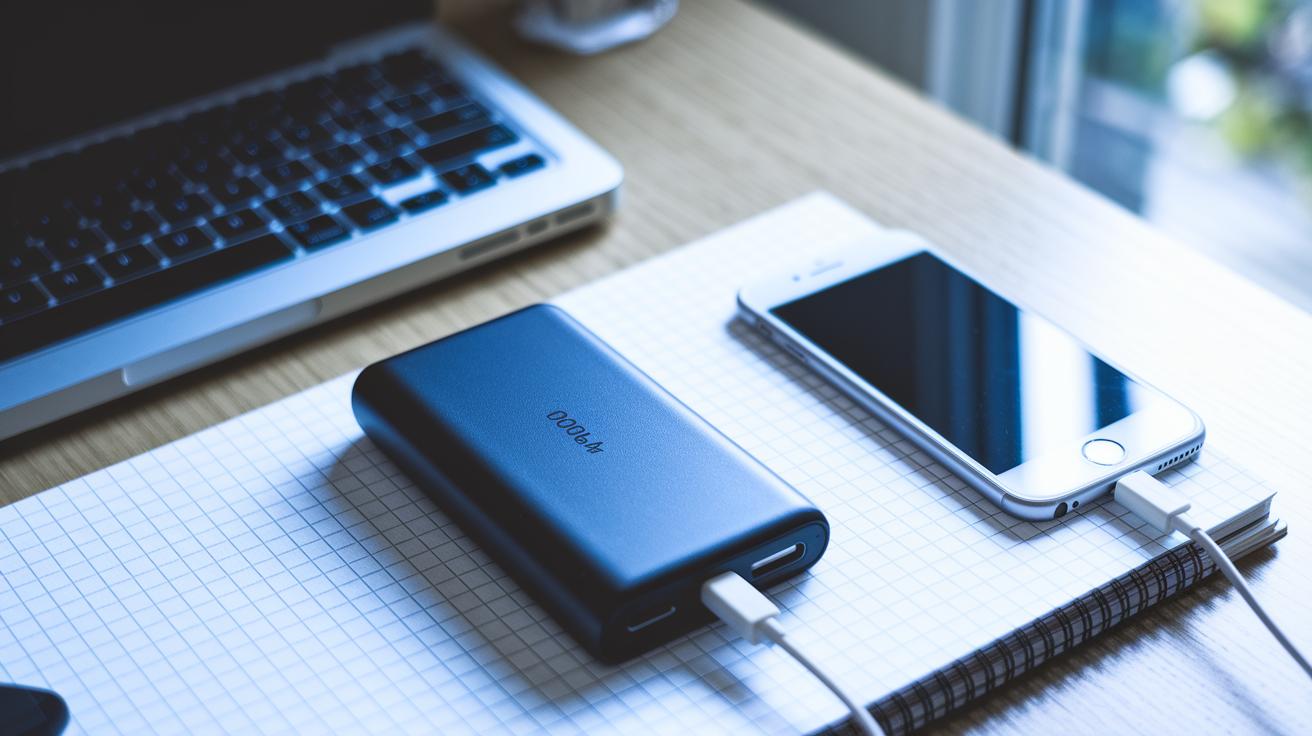
mAh (milliampere-hour) tells you how much energy a portable charger can hold. For example, a 10,000 mAh power bank usually offers 1–2 full charges for most smartphones, while a 20,000 mAh model can give you four or more charges. This rating makes it easy to see if a charger fits your everyday habits.
Battery life also comes down to charge cycles. A charge cycle means completely filling up and then using up the battery’s stored power. Most power banks are built to handle between 300 and 500 cycles before their performance starts to drop. For daily use, especially if you're just topping up your phone occasionally, a 5,000–10,000 mAh model should be enough.
If you're a frequent traveler or need to charge several devices on longer trips, choosing a charger with more than 20,000 mAh can offer extra flexibility and a longer lifespan. Consider your routine and device needs to find the right power bank that works for you on those busy days or fun adventures.
Fast Charging Support and Power Output Details
Wattage tells you how fast a portable charger can refill your devices. Chargers with low power, like 5 W, take much longer to charge your gadgets than fast-charge models. For example, an 18 W Power Delivery port can get many smartphones to 50% in only about 30 minutes. This quick boost is handy on busy travel days or in an emergency.
| Output | Typical Devices | Charge Time to 50% |
|---|---|---|
| 5 W | Basic phones, small earbuds | 1–2 hrs |
| 18 W PD | Most smartphones | 30 mins |
| 30 W | Tablets, some laptops | 45 mins |
| 65 W+ | Laptops, USB-C notebooks | 1 hr+ |
Before you buy a charger, make sure your device works with fast charging protocols like PD or Quick Charge. Even the most powerful charger won't speed things up if your gadget isn't compatible. Checking compatibility helps ensure that the charger will really work for your everyday needs.
Port Options: USB-C, USB-A and Multi-Device Charging
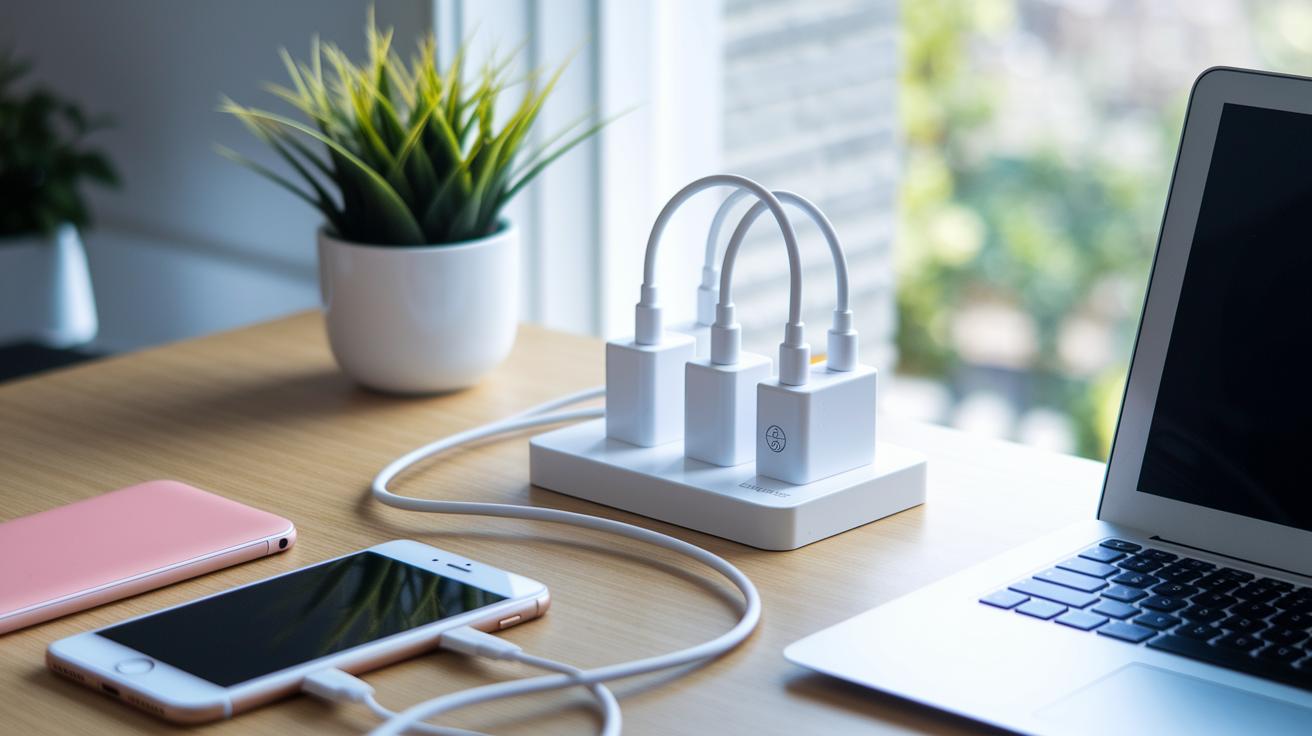
Choosing the right ports means your charger will work with all your devices. Whether you have new smartphones or older gadgets, a mix of ports makes charging simple and efficient.
USB-C
USB-C ports feature a reversible design that makes connecting your device easy. They deliver high power for faster charging speeds on newer phones and tablets. If you rely on gadgets that recharge quickly, USB-C is a smart choice.
USB-A
USB-A ports remain popular for older devices. They work well with many legacy phones, small gadgets, and accessories without needing extra adapters. Even as new ports gain ground, USB-A still offers solid, reliable performance.
Integrated Cables
Some chargers include built-in cables, like USB-C and Lightning, that help reduce clutter and confusion. This smart design means you always have the right cable handy, making your charging setup neat and hassle-free.
Using a blend of these port options gives you a versatile charging solution for phones, tablets, cameras, and wearables. For more tips on comparing tech products effectively, visit how to compare tech products effectively.
Design Factors: Durability, Size, and Portability
When choosing a power bank, design matters for carrying it around every day. High-capacity models are often bulky, but some 20,000 mAh options are still under 12 oz. This means you can get extra power without carrying extra weight.
Sturdiness is a key feature too. Look for models with shock-resistant casings that can handle bumps. A water-resistant, IP-rated design is a bonus if you plan to use your charger outdoors or in damp settings. Good build materials keep the inner parts safe and cut down on wear and tear.
Everyday comfort matters as well. A well-designed power bank should fit nicely in your hand or pocket, with a textured grip that prevents slipping. LED indicators or simple digital displays make it easy to check the remaining charge quickly. This thoughtful blend of durability, compact size, and ease of use makes these chargers a great pick for both urban settings and outdoor adventures.
Input Charging Requirements and Recharging Speed
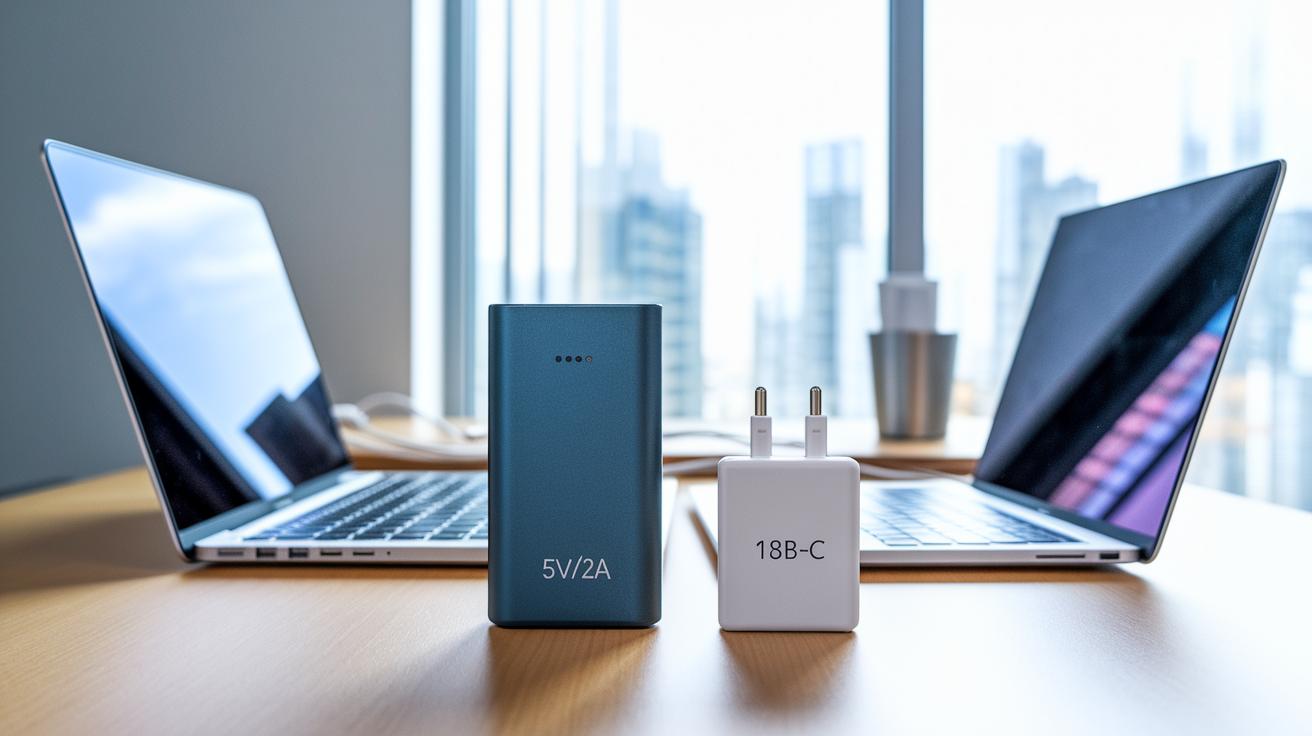
The amount of power going into your power bank makes a big difference in how fast it charges. Budget models usually stick to lower input specs like 5 V/2 A (around 10 W). With that kind of setup, a high-capacity 20,000 mAh unit could need about 10 to 12 hours to fill up. On the other hand, newer USB-C inputs that offer between 18 W and 45 W can cut charging time dramatically. For example, the same 20,000 mAh pack might charge in just 3 to 4 hours with an 18 W USB-C charger.
Think about your daily routine when choosing a power bank. If you often need a quick charge, a unit with a fast USB-C input could be the better option even if it costs a bit more. But if you’re usually able to plug in overnight, a standard 5 V/2 A model should work just fine. Match your choice to how fast you need to be back up and running.
Safety Feature Standards and Certification Checklist
Keeping your devices safe starts with a charger that has solid internal protection features. These safeguards help prevent dangerous issues like power surges and overheating.
Key features to look for include:
- Overcharge protection to stop the battery from getting too much power.
- Over-discharge protection to prevent the battery from draining completely.
- Over-current protection to control extra current flow.
- Short-circuit protection to guard against unexpected electrical faults.
- Temperature control to keep everything running within a safe range.
Many advanced power banks also include a battery management system that automatically shuts the device down if a problem is detected. This not only protects your equipment but also helps the charger last longer when used heavily.
Before you make a purchase, check that the product has passed strict independent tests. Certifications like UL, CE, and FCC show that the charger meets important safety standards. Seeing these marks adds confidence that you are investing in a power bank built to protect your valuable devices in various conditions.
Warranty, Reliability, and Price Guide

When picking a portable charger, the price gives you a clue about what to expect. Budget models in the $20 to $30 range keep costs low but may miss features like fast charging. Mid-range options between $30 and $60 strike a good balance, offering reliable performance for everyday use. If you need more power and extra features, high-end chargers over $60 deliver outputs of 60 W or more and come with a tougher build.
Warranty length is a simple way to judge a charger's reliability. Cheaper models often come with a six-month warranty, while premium brands back their products with warranties that can last up to two years. A longer warranty is a sign that manufacturers trust their own products, and many users have noted that solid warranties and responsive support add long-term value.
Also, keep an eye out for sales or bundled deals. These promotions can offer extra accessories and savings, ensuring you get a dependable charger without overspending.
Travel-Friendly Charger Essentials and Use Cases
When you're flying, make sure your charger meets airline rules. TSA lets you bring chargers up to 100 Wh (about 27,000 mAh) in your carry-on, so choosing a power bank that complies can save you a lot of hassle at security.
One great feature to look for is pass-through charging. This means you can plug your charger into the wall and use it to recharge your devices at the same time, which is a time-saver during busy travel days.
Some chargers even offer solar compatibility for those trips where power outlets are hard to come by. With built-in solar panels, these chargers capture energy from the sun, making them a solid backup during long adventures or emergencies. Our tests show that many rugged models keep working well even in extreme weather, whether you're in a chilly mountain area or a hot desert.
Real-world use cases:
- City sightseeing
- Remote camping
- Business travel days
Final Words
In the action, we've laid out the core points of choosing the right portable charger based on capacity, charging speed, port types, design, and safety features. We broke down the specs to help you see the trade-offs clearly.
Our portable charger buying checklist offers a quick way to compare models. Use it as a guide to match your everyday needs with the best features and value. Happy charging!
FAQ
What does a portable charger buying checklist from Reddit and other sources include?
The portable charger checklist combines key factors like capacity, fast-charge support, port variety, safety certifications, build quality, warranty, and price tier. This approach saves time when comparing models.
What should I know about Belkin portable chargers and where to find them?
Belkin portable chargers come with clear instructions for initial setup and charging, and they’re available at major retailers like Best Buy. Their guides cover proper usage and recommended wall adapters.
How do I properly charge a 20000mAh power bank, including first-time use and wall adapter connections?
The charging process for a 20000mAh power bank involves connecting it to a suitable wall adapter using the provided cable, following first-time charge recommendations, and observing the device’s voltage and input guidelines.
What should I consider when buying a portable charger or power bank?
When buying a power bank, the key factors include battery capacity, input/output speeds, safety features, port types, build quality, and warranty. This ensures the device meets daily or travel needs.
Which is better: a 10000mAh or 20000mAh power bank, and how does the mAh rating compare to Wh?
A 20000mAh power bank gives more charging cycles than a 10000mAh unit. Typically, 20000mAh translates to around 74Wh, well under the 100Wh airline limit, making it practical for travel.