
Ever snapped an iPhone photo and wondered if it could look even better? Your iPhone changes the way you see a scene by adjusting its focal length settings, it’s more than just zooming in. Swapping lenses can turn an everyday shot into a striking portrait or a vibrant landscape. In this post, we break down how each focal length works so you can capture photos that truly pop. Stay with us and see how a few simple tweaks can make a big difference in your photography.
Focal Length Specifications and 35mm Equivalents Across iPhone Models
Smartphone cameras in the iPhone family use focal length numbers to show you a view similar to what your eyes see. Converting these numbers to a 35mm equivalent gives you a clear idea of how each lens frames a scene. For instance, a full-frame camera’s 50mm lens and an APS-C camera’s 35mm lens both capture a view that feels natural. The iPhone 16 Pro sticks with a 1× lens (26mm equivalent) for everyday shots and offers a 2× option (52mm equivalent) for tighter portraits. This helps you decide whether you need a wider landscape or a more intimate portrait. The focal length choice really shapes your storytelling by either drawing attention to a subject or showing a broader scene.
iPhone 17 Pro Fusion Architecture
The iPhone 17 Pro introduces a smart fusion camera system that merges several lenses into one compact module. This design gives you plenty of shooting options without adding extra bulk, whether you’re capturing vast backgrounds or zooming in on a subject.
The fusion setup comes with five rear lenses, each with its own optical zoom and 35mm equivalent. This makes switching between different shooting modes smooth while keeping familiar framing cues. It lets you adjust your focal length easily to match your creative needs.
- Ultra-wide lens: 0.5× (13 mm equivalent)
- Wide (default) lens: 1× (26 mm equivalent)
- Mid-telephoto lens: 2× (52 mm equivalent)
- Telephoto lens: 4× (104 mm equivalent)
- Periscope telephoto: 8× (208 mm equivalent)
Some public details about the iPhone 17 Pro are still missing. We don’t yet know the macro focal length, the magnification ratio, or the specifics on sensor calibration for each lens. This leaves a few questions for photography enthusiasts eager to learn more.
focal length iphone camera Shines for Stunning Shots
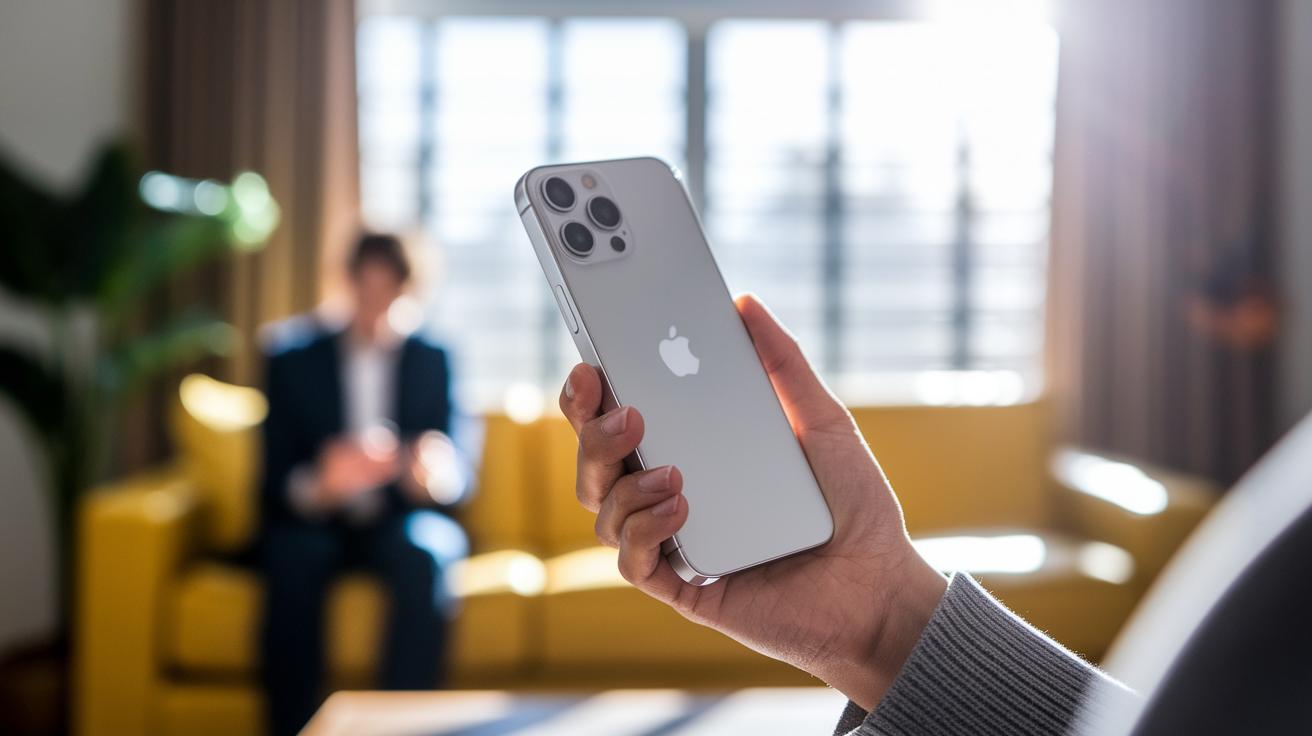
Changing the focal length on your iPhone can transform the way your photo looks. Wider lenses capture a larger view, which is perfect for wide landscapes or busy city scenes. Sometimes, ultra-wide settings can make objects in the front seem larger while shrinking those in the background. This effect can be used creatively to make the details up close really pop against a big background. Our guide on ultrawide settings acts like a simple lesson on these changes. Knowing how the iPhone adjusts the distance in its sensor also helps you choose the best focal length for your shot.
Telephoto lenses work differently. They zoom in on your subject and naturally blur the background, which is great for portraits. This approach makes sure viewers focus on the subject while still seeing some of the surroundings. Changing the focal length not only zooms in but also alters how you see space and depth in your picture. Trying different focal lengths helps you decide the best framing, whether you want to capture a wide scene or a close-up detail. This flexible method lets every photographer create unique and striking images.
Mapping iPhone Focal Lengths to DSLR and Crop-Sensor Equivalents
iPhone cameras offer several focal options that mimic traditional DSLR and APS-C lenses. Many DSLR users love a 50 mm prime for its natural look, while APS-C enthusiasts often choose a 35 mm lens to match that style. In our tests, the iPhone uses smart telephoto modules to capture flattering portraits, especially at focal lengths above 85 mm. This lets you frame your shots like a pro without hauling bulky gear or standing too far from your subject.
Understanding the 35 mm scale for iPhone lenses means you can replicate classic framing techniques easily. For example, the telephoto module creates a background blur similar to an 85 mm lens on a DSLR, which helps your subject stand out. The wide-angle lens, on the other hand, is perfect for environmental portraits or landscapes, giving you a broad view like a DSLR's ultra-wide option. With smartphone optics balancing aperture and focus in one, you don’t have to carry extra lenses. Once you see these equivalencies, you can enjoy studio-like framing anytime, all in a pocketable device.
Selecting the Ideal Focal Length for Different iPhone Photography Genres
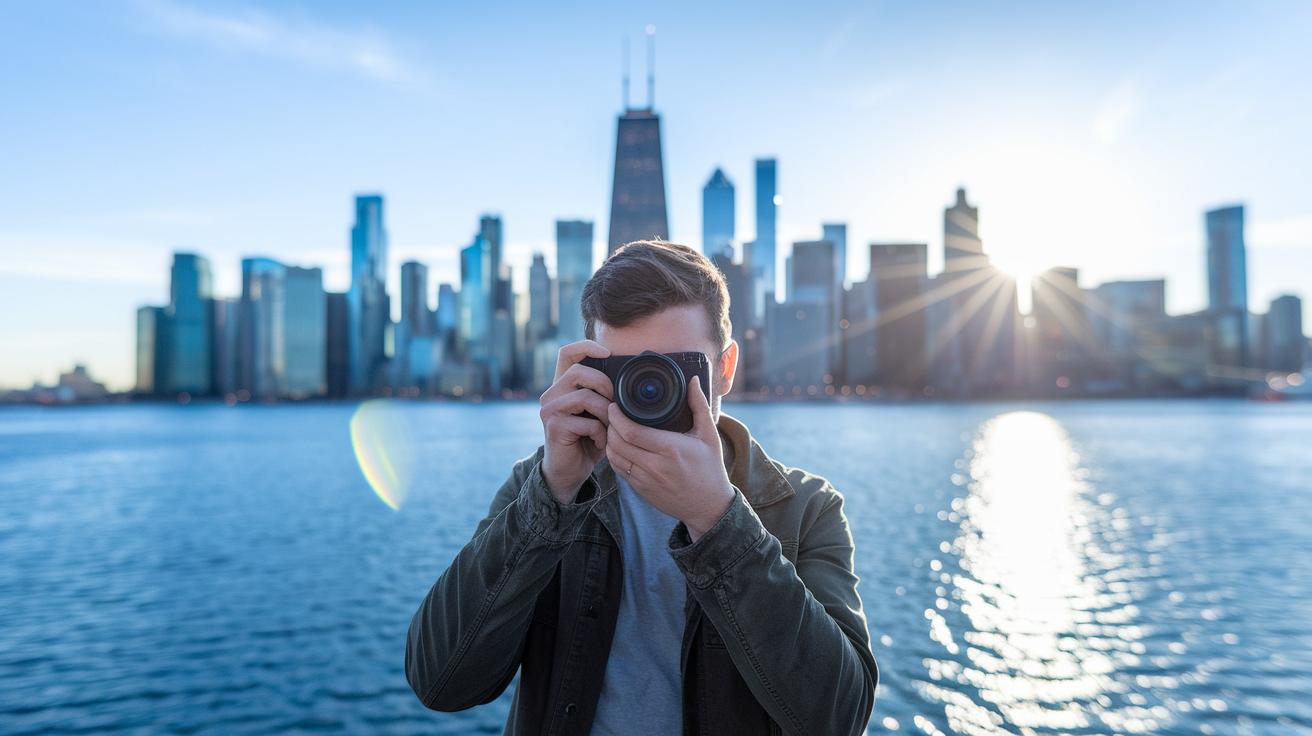
This section is a quick guide to help you pick the right lens for your iPhone photography. We include lens choices with hands-on tips so you can match your shot to the perfect focal length. For full details on lens equivalents and how focal lengths impact your images, check out the earlier sections.
| Scenario | Recommended Lens & Practical Tip |
|---|---|
| Landscapes/Cityscapes | Ultra-wide (0.5×–1×): Use it to show off a wide scene. Try capturing a busy skyline during blue hour when the city lights start to shine. |
| Street/Travel | Mid-range (1×–2×): This range helps balance your subject with its surroundings. For example, frame an urban scene so both the people and the environment stand out. |
| Portraits | Telephoto (4×–8×): This lens creates a natural compression and a shallow depth of field. It’s great for portraits that keep facial details clear while softening the background. |
| Close-Up Details | Macro: Perfect for focusing on textures and tiny details. For instance, get a tight shot of a leaf to capture its delicate textures. |
When you’re out shooting, adjust your framing to take advantage of creative angles. Try different distances to create unique separations between your subject and the background. Also, experiment with lighting to boost the effect of your chosen lens for a fresh look.
Final Words
In the action, we tackled the essential specs of the iPhone focal length camera, breaking down native and 35 mm equivalents across models. We explained how settings impact field of view and composition, compared them to DSLR and APS-C lenses, and offered practical advice for everyday shooting. The guide shows how subtle tweaks in focal length affect your photos, making it easier to choose the right lens for every scenario. This hands-on approach leaves you ready to experiment with your own shots and capture great moments every time.
FAQ
How do different iPhone focal lengths compare?
The focal length comparison shows that various iPhone lens options offer different fields of view. Wide, ultra-wide, and telephoto modules translate to distinct 35mm equivalents, affecting image framing and perspective.
What does the 35mm equivalent mean for an iPhone camera focal length?
The 35mm equivalent value indicates how an iPhone lens compares to a traditional full-frame camera’s lens, helping users understand field of view and framing similarities between smartphones and DSLRs.
How is the iPhone focal length discussed on Reddit?
Reddit discussions about iPhone focal lengths reveal real-user experiences. They cover exposure, distortion, and overall image quality, offering practical insights into how different focal lengths perform in everyday photography.
What are the focal length options on the 2022 iPhone models?
The 2022 iPhone models include multiple focal lengths such as ultra-wide and telephoto. These options provide varied 35mm equivalents, enabling users to select a lens for wide scenes or telephoto compression depending on shooting needs.
What focal length does the iPhone front camera use?
The iPhone front camera focal length is set up for selfies by offering a wide field of view. This design helps capture more of the subject’s environment while keeping facial features in sharp focus.
What focal lengths are featured on the iPhone 13?
The iPhone 13 incorporates focal lengths in its rear camera setup, including ultra-wide and telephoto lenses. These provide effective 35mm equivalents that suit different shooting scenarios from landscapes to portraits.
How does an iPhone camera app show focal length information?
Some camera apps display focal length details by reading image metadata. While you cannot physically adjust the lens, the app informs you about the digital zoom level and the corresponding 35mm equivalent for reference.
Which focal length is best on an iPhone camera?
The best focal length varies by shooting style. Many users prefer wide for landscapes and telephoto for portraits, ensuring that subjects are clearly isolated while maintaining natural proportions in the final image.
Can you change the focal length on an iPhone camera?
Changing the focal length on an iPhone is done by switching between its fixed lens modules. Unlike traditional cameras, you cannot manually adjust the optics but can choose digital zoom options provided by each module.
What focal length does 0.5 represent on an iPhone?
The 0.5× designation refers to the ultra-wide lens on the iPhone, which corresponds to approximately a 13mm equivalent on a full-frame camera, offering a broader view ideal for expansive scenes.
What focal lengths are available on the iPhone 17 Pro?
The iPhone 17 Pro features a fusion system with multiple focal lengths: ultra-wide at 0.5× (13mm), wide at 1× (26mm), mid-telephoto at 2× (52mm), telephoto at 4× (104mm), and periscope telephoto at 8× (208mm) equivalents.
How can you view the focal length information on an iPhone?
You can view an iPhone’s focal length details by using third-party apps or checking the photo’s metadata. This metadata provides the lens identifier and its corresponding 35mm equivalent for accurate reference.