
Ever wonder if that old key is really enough to secure your gate? Smart locks let you control your outdoor gate right from your smartphone. They use sensors, motors, and wireless tech to bypass the need for physical keys. Built to handle rain and dust, these locks have proven reliable over many months. Check out these tested devices that mix convenience with strong protection to save you time and boost your security.
Smart locks for outdoor gates Elevate Your Security
Smart outdoor-gate locks let you skip the hassle of physical keys. You can open and close your gate directly from your smartphone thanks to handy sensors, motors, and wireless tech. This means managing access is simple and secure.
These locks come with an IP65 rating, which shows they handle rain and dust without breaking a sweat. They run on AA/AAA batteries or rechargeable packs. In our tests, they worked well for 6 to 12 months, and one model even stayed reliable through various weather conditions.
Connectivity is flexible. Bluetooth works reliably up to about 50 feet, and Wi-Fi lets you control the lock from anywhere (if your router is strong). Some versions also support Z-Wave or Zigbee, though you’ll need a compatible hub. Plus, you can set a timer to auto-lock anywhere from 10 seconds to 5 minutes based on your needs.
Together, these features make smart locks a practical choice for securing outdoor gates without the mess of keys.
Key Features of Outdoor Gate Smart Locks
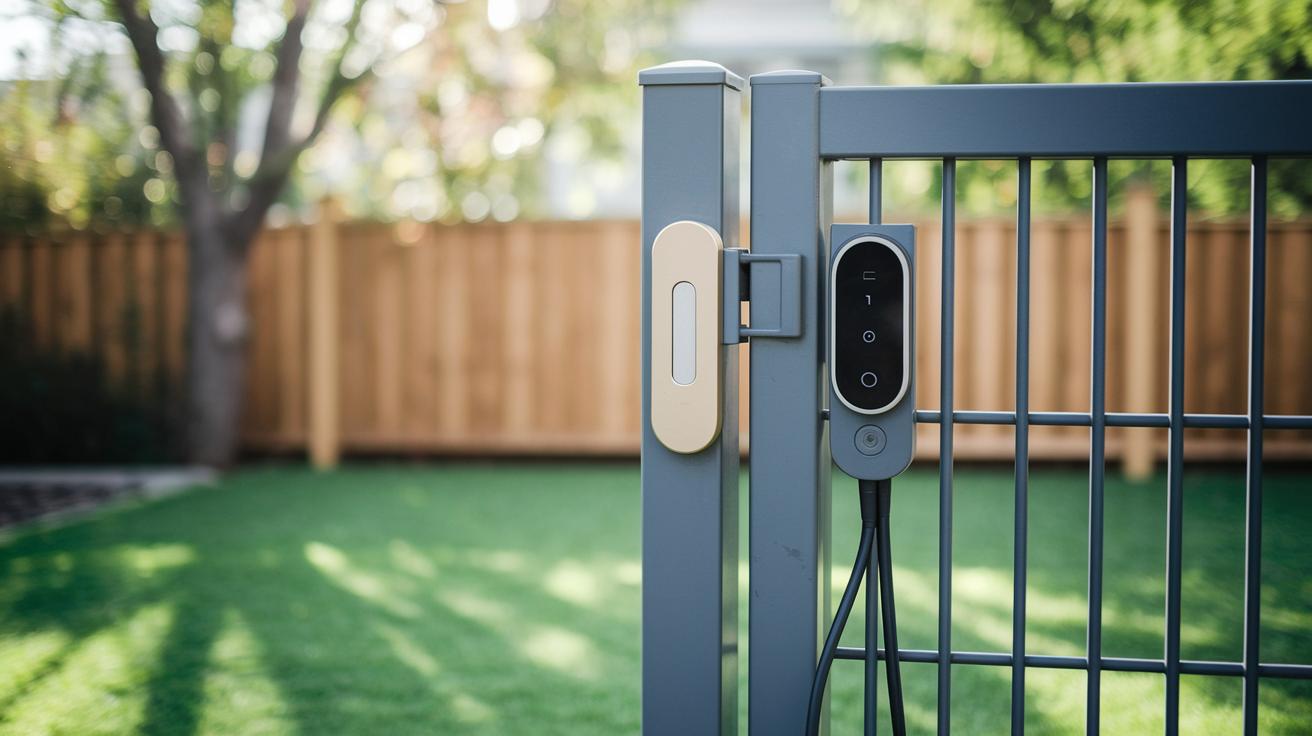
Outdoor gate smart locks are designed to keep your property secure while making your life easier. We looked at these devices closely and found seven must-have features that can really make a difference:
- Weatherproof rating: Look for an IP65 rating or higher to handle rain, snow, and UV exposure.
- Power options: Choose between replaceable batteries and hardwired power so the lock always stays up and running.
- Connectivity choices: Options like Bluetooth, Wi‑Fi, Z‑Wave, and Zigbee help the lock connect smoothly with your smart home system.
- Locking mechanism options: Whether it’s a motorized deadbolt or an electronic latch, the right mechanism can offer a solid level of protection.
- Multiple access methods: Enjoy the flexibility of using smartphone apps, keypad PINs, or RFID fobs, so you can pick the method that fits your routine best.
- Auto-lock delay and vacation mode: Customize how long the lock waits before locking automatically or set up schedules when you’re away.
- Digital assistant integration: With support for Amazon Alexa, Google Assistant, or HomeKit, controlling your lock with your voice becomes hassle‑free.
These features mean that a good outdoor smart lock not only stands up to the elements but also offers reliable connectivity and flexible security options for any outdoor gate.
Types of Smart Locks for Outdoor Gates
Bluetooth smart gate locks, which cost between $100 and $200, use proximity sensing to unlock as you approach. They work only at close range, so you don’t have to worry about long-distance signals. For example, you might walk right up to your gate and have it unlock automatically, saving you from the hassle of searching for your keys. This option is both affordable and straightforward.
Wi-Fi smart gate locks range from $150 to $300 and let you control your gate from anywhere using a smartphone app. With these locks, you can lock or unlock your gate remotely as long as you have an internet connection. Just keep in mind that their performance depends on the strength of your home router’s signal. Imagine being able to unlock your gate while you're away because your Wi-Fi signal is strong, that’s the kind of convenience these locks bring.
Z-Wave and Zigbee smart gate locks typically cost about $180 to $250 and require a hub, such as SmartThings or Hubitat, to work. These locks connect via a mesh network, offering reliable local connectivity without needing a long-range signal. They come with different designs, either a deadbolt for extra security or a simple latch for easier installation. Homeowners often appreciate how the mesh network keeps the lock connected even when the main signal is weak.
Installing a Smart Lock on Your Outdoor Gate
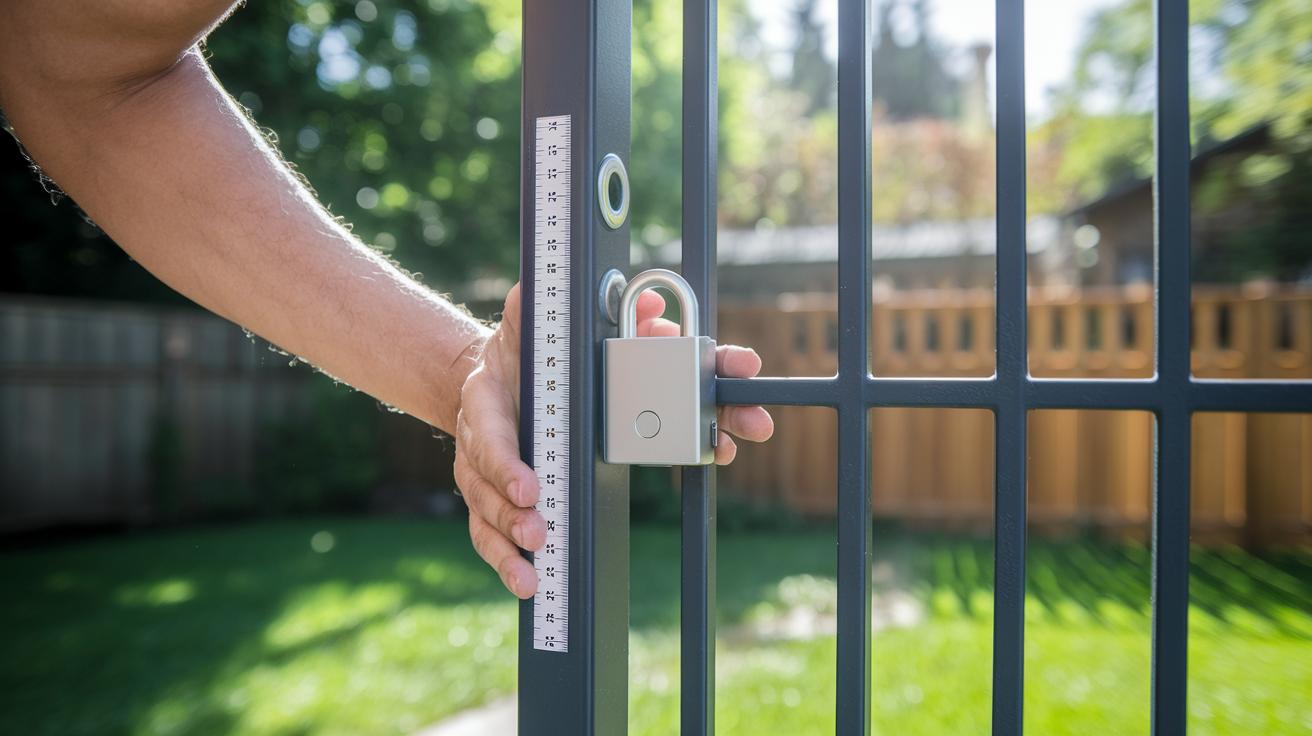
Installing a smart lock on your outdoor gate is a quick and straightforward DIY project. In about 30 to 60 minutes, you can have it up and running. First, take a moment to measure your gate’s thickness. Most outdoor gates range from 1.5 to 2 inches thick, which helps ensure your lock fits perfectly.
Here’s a simple guide to follow:
- Use a tape measure to check how thick your gate is.
- Mark where the mounting bracket will go, then drill 3/8-inch holes in the marked spots.
- Secure the bracket firmly and line up the deadbolt with the strike plate for a snug fit.
- Insert the batteries or hook up the hardwired power as per your model’s instructions.
- Pair the lock with its dedicated app and connect it to your Wi-Fi or smart hub.
- Finally, test the lock by cycling it in and out, and adjust the auto-lock delay to match your routine.
Before you get started, double-check that you have the right tools: a drill, a Phillips screwdriver, a tape measure, and a level. Think of these tools as your essential DIY kit that helps you avoid any unexpected delays. Following these steps will ensure your new smart lock is securely installed and works just as it should.
Comparison of Top Smart Locks for Outdoor Gates
We've put together a quick side-by-side look at some leading smart locks for your outdoor gate. In this table, you'll find all the basics like price, power source, connectivity options, and weather resistance (IP rating). These details help you pick a lock that works well with your outdoor setup and smart home system. For a deeper dive into comparing tech products, check out the guide here: how to compare tech products effectively.
| Model Name | Price | Power Source | Connectivity | IP Rating |
|---|---|---|---|---|
| Brand X WeatherGuard | $249 | Battery | Wi-Fi | IP66 |
| Brand Y SmartLatch Pro | $199 | Battery | Bluetooth+Z-Wave | IP65 |
| Brand Z GateMax | $289 | Wired | Wi-Fi+Zigbee | IP67 |
| Brand Q EasyCode | $150 | Battery | Keypad, Basic App | IP54 |
Each lock has its own perks. For instance, a wired lock like the one from Brand Z might promise steady power during heavy use, while battery-powered options offer easier installation. The type of connectivity, whether it's Wi-Fi, Bluetooth, or a combo, also affects how smoothly you can control your lock from anywhere. Finally, the IP rating tells you how well each lock will stand up to weather exposure. Use the details above to choose the smart lock that best fits your outdoor gate and security needs.
Maintenance & Troubleshooting for Gate Smart Locks
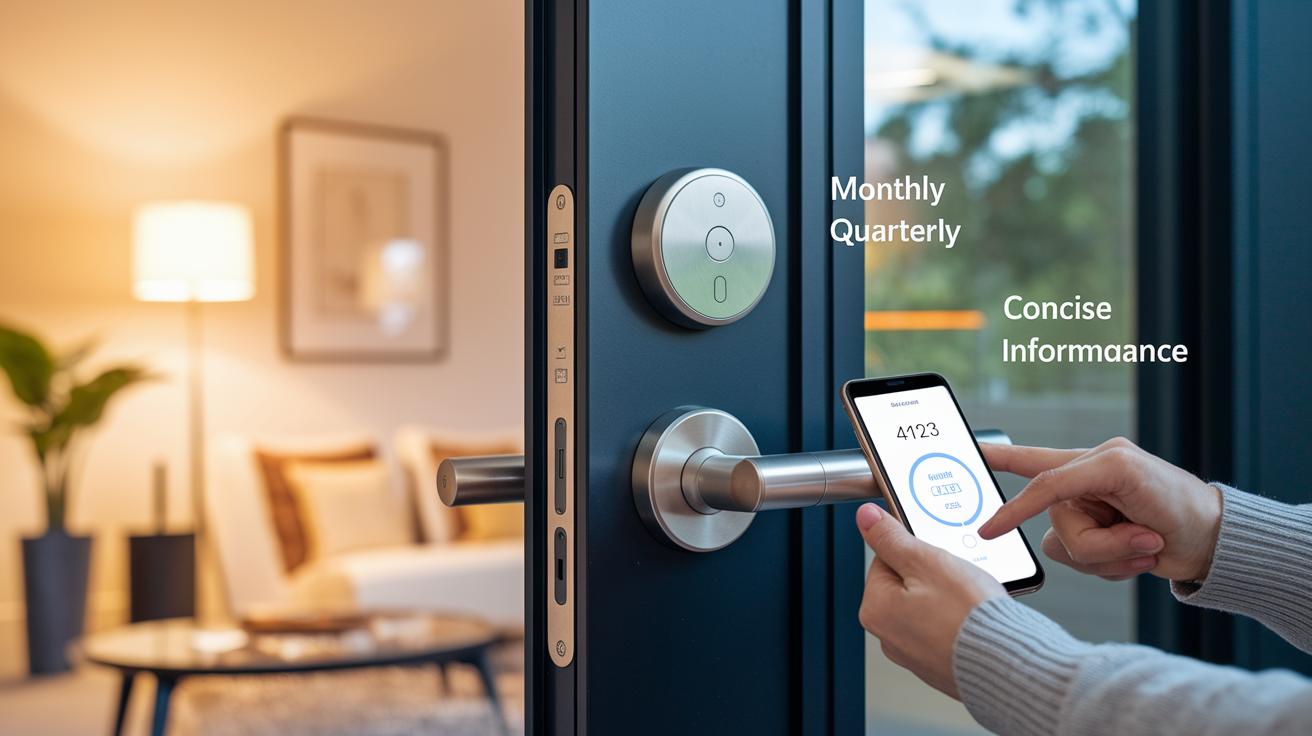
Keeping your smart lock in top shape is simple and can help it last for years. Each month, check its battery status on the app and swap out AA or AAA batteries as needed. Every three months, wipe the sensors and keypad with a soft cloth to remove grime that might affect performance. Once a year, spray a little silicone on the latch and deadbolt to ensure smooth movement. Don’t forget to update the firmware with the manufacturer’s app when you see a prompt so your lock stays secure with the latest fixes.
If your smart lock won’t engage, try these steps:
- Check if the batteries are dead.
- Remove the batteries for one minute to let the system reboot.
- Re-pair the lock with the app to restore connection.
- Follow the manual instructions to recalibrate the motor.
By keeping up with this routine and using these troubleshooting tips, you can dodge common issues and keep your gate lock reliable. This way, you protect your property without the hassle of managing physical keys.
Security Considerations for Outdoor Gate Smart Locks
If you want to keep your property safe, picking a smart lock with top-notch security is a must. Look for locks that use AES-128 or AES-256 encryption (methods that scramble your data to keep hackers out) for wireless data. Some locks even sound a tamper alarm after three wrong PIN attempts, so you'll know if someone's trying to break in.
Another key feature is a built-in audit log, which can store up to 1,000 events. This log helps you track every access attempt, giving you a clear picture of who might be testing your security. Plus, locks that offer a two-step process – where you need both a PIN and app approval – add an extra layer of defense against unwanted entry.
Additional safety measures include anti-theft mounting screws that stop the lock from being easily removed and automatic lockdown controls that kick in if someone forces their way in. Together, these features work to keep your outdoor gate smart lock strong against hacking, forced entry, and other security risks.
Final Words
In the action, smart locks for outdoor gates show off key features, from reliable connectivity to simple installation steps. This article covered how they work, their main traits, DIY setup, side-by-side comparisons, and upkeep tips. We walked through the practical benefits and security improvements these locks deliver. With straightforward testing and clear advice, making a sound decision about your outdoor gate security feels achievable and smart. Embrace these solutions and enjoy improved convenience every day.