
Ever wonder why deadbolts just don’t work well on sliding glass doors? Traditional locks often miss the mark because of the door’s unique design, which leaves your home at risk. Smart locks, by contrast, let you unlock your door without a key and even control access from your smartphone. In our hands-on tests, we looked at several models that pair solid security with user-friendly design. The takeaway? Smart locks can give your home a boost in safety and convenience, all without the hassle of fiddling with old-school hardware.
Best Smart Locks for Sliding Glass Doors: Overview and Comparison
Traditional deadbolts don't work on sliding glass doors because these doors don’t have a fixed strike plate. Their sideways track design stops the deadbolt from catching properly, which makes it easier for intruders to work around the lock. This is why smart locks are a better option, they secure the door while giving you the convenience of keyless entry and remote control.
| Model | Connectivity | Battery Life | Max User Codes | Price | Unique Selling Point |
|---|---|---|---|---|---|
| Schlage Encode Smart Wi-Fi Lever | Wi-Fi (Alexa/Google integration) | 6–12 months | 100 | $249 | Voice-assistant integration and remote management |
| Ultraloq Bolt NFC | NFC (with iPhone/Apple Watch support) | 6–12 months | 50 | $229 | Express Mode reserve power for Apple devices |
| Yale Assure Lock SL | Z-Wave (touchscreen keypad) | 6–12 months | 50 | $199 | Sleek touchscreen design with auto-lock scheduling |
| Lockly Secure Plus | Bluetooth/Wi-Fi | 6–12 months | 80 | $279 | Fingerprint sensor with PIN Genie virtual keypad |
| Eufy Security Smart Lock | Wi-Fi (voice-assistant support) | 6–12 months | 30 | $149 | Ultra-low power draw with detailed activity logs |
Key Features That Matter in Sliding Glass Door Smart Locks
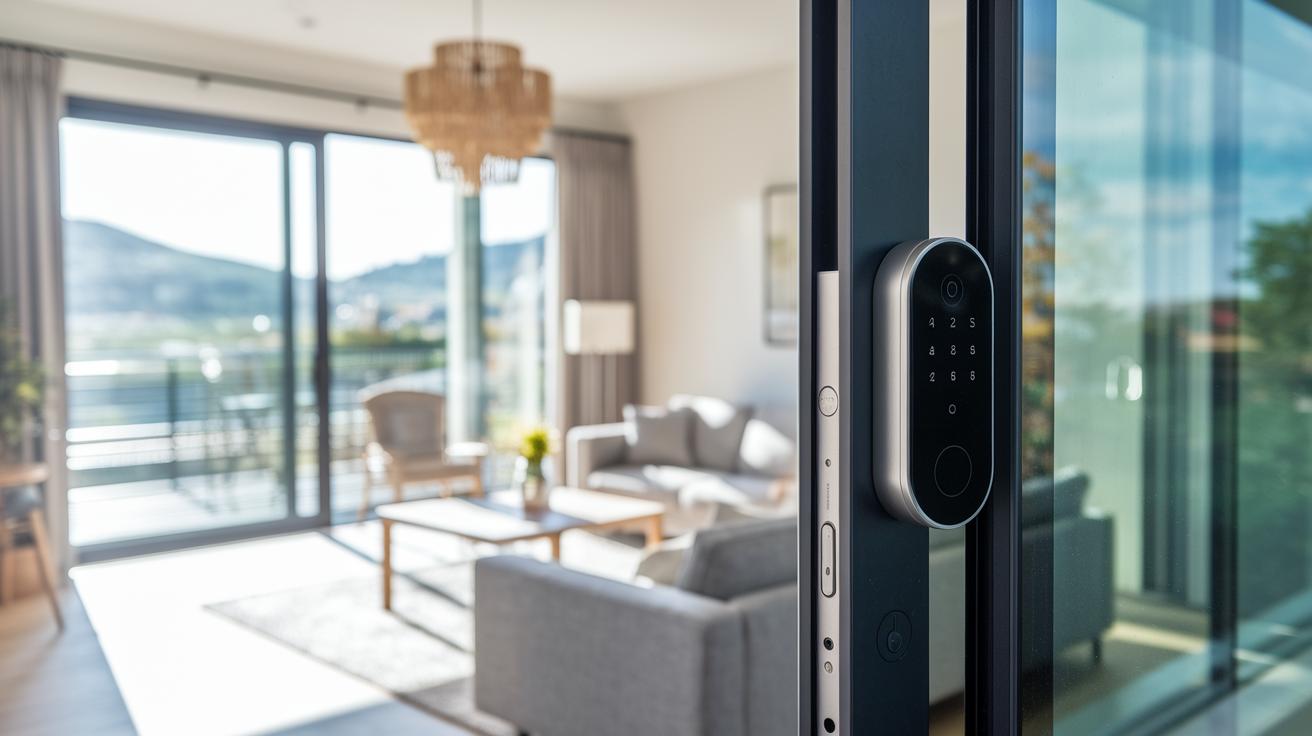
Today's smart locks for sliding glass doors do much more than simply accept a key. They offer several ways to unlock your door using methods like fingerprint scanners and NFC support, which allow you to use stored digital credentials. Some models include a touchscreen that lets you create temporary codes, which is especially useful if you have guests or rent out your space. They also use two-step authentication and strong encryption (AES-256, a very secure method) to make sure your door stays protected even if one security measure is bypassed.
In addition to secure access features, these locks help streamline home automation. You can set them to lock automatically after a set time or switch to vacation mode, which adjusts settings when you're away. Detailed activity logs and prompt notifications keep you informed about who enters your home and when. Plus, with voice control support for Alexa, Google Assistant, and Apple HomeKit, you can manage your lock remotely and easily fit it into your smart home system.
Installing Smart Locks on Sliding Glass Doors: Tips and Methods
Before you begin, check that your sliding glass door frame is ready for a retrofit kit. Make sure it is sturdy enough for a clamp-on installation. Gather a Phillips-head screwdriver, batteries, and your smart lock kit so you have all the tools you need.
Start by attaching the bracket to the door frame with the screws provided. Position it carefully so that the smart lock fits perfectly with the door’s handle. Next, secure the lock unit onto the bracket, following the manufacturer’s simple instructions to keep enough room for movement. Open the battery compartment, insert fresh batteries (which usually last between 6 and 12 months), and update the firmware as you set up the device using the smartphone app.
Once everything is in place, test the lock to be sure it works as expected. Use the digital access features, check your network connection using the app, and complete any firmware prompts. This confirms that your smart lock is set up properly and will help keep your sliding glass door secure.
How Smart Locks for Sliding Glass Doors Compare in Cost and Value
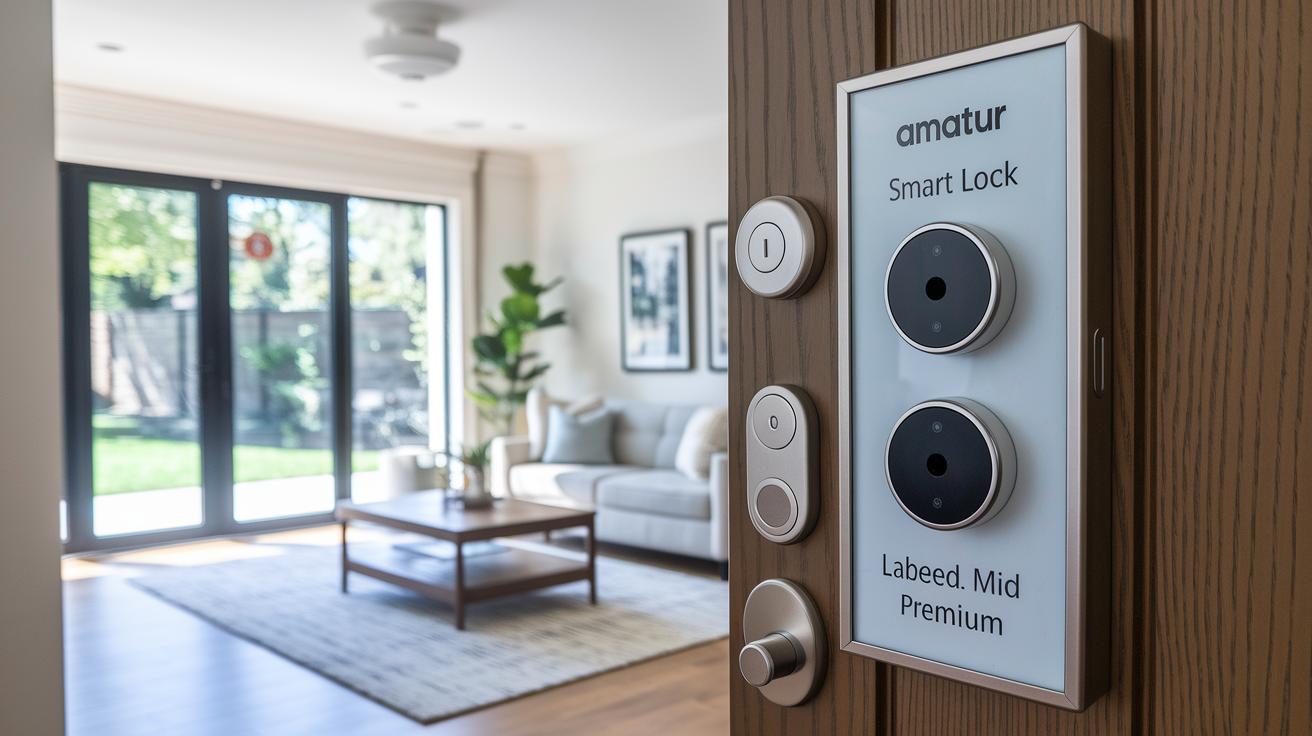
Budget models under $100 deliver a straightforward keypad entry and a few smart features, making them a good pick if you need a simple upgrade. Mid-range options, usually priced between $150 and $250, add extra abilities like Wi-Fi control, fingerprint scanning, and user-friendly app functions that ease remote management. For those willing to invest over $300, premium units offer advanced features such as NFC Express Mode, built-in deadbolt systems, and sleek finishes that blend well with modern homes.
Keep in mind that the total cost goes beyond just the purchase price. Batteries may need replacing every 6 to 12 months, and some homeowners might choose professional installation for better alignment and security. Firmware updates also boost safety and functionality over time, making the extra investment worthwhile. Balancing the upfront cost with these ongoing expenses is key to finding the best value for your home security needs.
Connectivity and Home Automation with Sliding Glass Door Smart Locks
Smart locks connect to your home network in two simple ways. One method uses a direct Wi-Fi connection, linking your lock straight to your router. This allows you to send commands from anywhere through your smartphone. It’s very easy to set up and works best in homes with a strong Wi-Fi signal.
The other option is a hub-based system that uses Z-Wave or Zigbee. While this method requires an extra device, it offers a strong and stable connection, especially if you have many smart devices in a larger or more complex setup.
Smartphone apps let you control your lock remotely. You can lock or unlock the door, create one-time guest codes, and check your door’s security status with just a few taps. Geofencing helps by locking the door automatically when you leave and unlocking it as you get closer. You can even use voice commands with Alexa, Google Home, or Siri shortcuts for hands-free control. These locks also play nicely with many third-party systems, making them a flexible choice for your connected home.
Security and Maintenance for Smart Locks on Sliding Glass Doors
Smart locks guard sliding glass doors with strong digital protection. They use AES-256 encryption, a method that scrambles your data so only the right devices can read it. Two-factor authentication means that even if someone cracks your PIN, they still need an extra check to get in. Many smart locks also come with sensors that alert your phone right away if someone tries to break in, so you can catch any tampering early. Choosing complex PINs and updating your settings often further locks out unwanted access.
Keeping your smart lock in top shape is just as important as installing it. Regularly check the battery to avoid getting locked out unexpectedly and run firmware updates to fix vulnerabilities. Every month, review your connectivity settings and give the rollers or tracks a quick clean to keep things running smoothly. This routine care extends the life of your smart system and ensures your home stays secure.
Final Words
In the action, this article tackled why standard deadbolts don’t fit sliding glass doors and highlighted five standout smart locks. We summarized key features from connectivity and installation ease to cost and security to help buyers weigh their options.
Our guide shows how smart locks for sliding glass doors merge everyday functionality with modern tech. Enjoy the benefits of better security and smooth integration into your home for a safer, smarter routine.
FAQ
What are the best smart locks for sliding glass doors?
The best smart locks for sliding glass doors combine durability, keyless access, and smart-home integration. Options like Schlage, Yale, Lockly, and others deliver reliable performance tailored to sliding door setups.
Do smart locks for sliding glass doors include a physical key option?
Many smart locks offer a key backup option, providing a manual unlocking method if the smart system fails, so you always have secure access even during connectivity or power issues.
What does the Yale Sliding Door Smart Lock offer?
The Yale Sliding Door Smart Lock offers a touchscreen keypad, auto-lock scheduling, and home automation compatibility, enhancing security with modern design and user-friendly features for sliding doors.
How does a sliding door smart lock integrate with Apple HomeKit?
Sliding door smart locks with HomeKit support let you control access with Apple devices, enabling voice commands through Siri and seamless integration with other HomeKit-connected security systems.
Are smart locks for sliding glass doors available on Amazon?
Smart locks for sliding glass doors are widely available on Amazon, offering a range of models with varied features and price points, plus customer reviews that help you choose the right option for your needs.
What are the features of the Schlage sliding door Smart Lock?
The Schlage sliding door Smart Lock features reliable Wi-Fi connectivity, remote access control, and user code management, ensuring robust security and easy operation for sliding glass doors.
What unique features are available on the Lockly sliding door Smart Lock?
The Lockly sliding door Smart Lock stands out with its biometric fingerprint sensor and PIN Genie virtual keypad, giving you multiple secure access options and effortless home integration.
Can you install a smart lock or keyless entry on a sliding glass door?
Yes, you can install a smart lock or keyless entry system on a sliding glass door if the door frame is compatible with retrofit kits designed for sliding doors, ensuring effective security without major modifications.
What are the downsides of smart locks for sliding glass doors?
Downsides include battery dependency requiring periodic replacements, potential connectivity issues, and installation challenges on non-standard door setups, which may affect overall performance and compatibility.
How do you burglar-proof a sliding glass door?
Burglar-proofing a sliding glass door involves using a smart lock designed for sliding doors, reinforcing the door with security films or additional bars, and pairing the setup with alarms to deter intruders.